Bringing your pet to a veterinary clinic for the first time can be both exciting and a little overwhelming. Knowing what to expect can help you and your pet feel more comfortable and prepared for the visit.
Before the Appointment
Before your visit, gather any relevant information about your pet, including:
- Vaccination records
- Medical history, if available
- Current medications
- Diet and feeding routine
- Any concerns about behavior or health
For safety, dogs should be on a leash, and cats or small animals should be transported in a secure carrier.
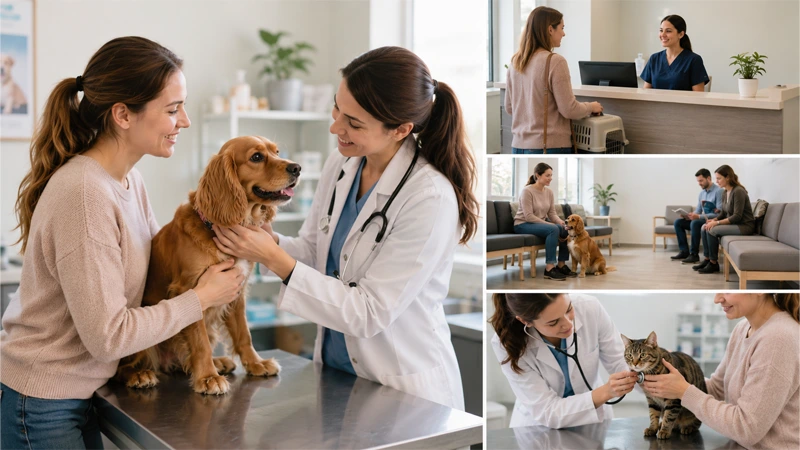
Arrival and Registration
When you arrive at the clinic, the reception staff will ask for basic information about you and your pet. This may include your contact details, your pet’s age, breed, medical history, and reason for the visit.
The staff may also measure your pet’s weight before the examination.
Physical Examination
The veterinarian will perform a comprehensive physical examination, which typically includes:
- Checking your pet’s weight and body condition
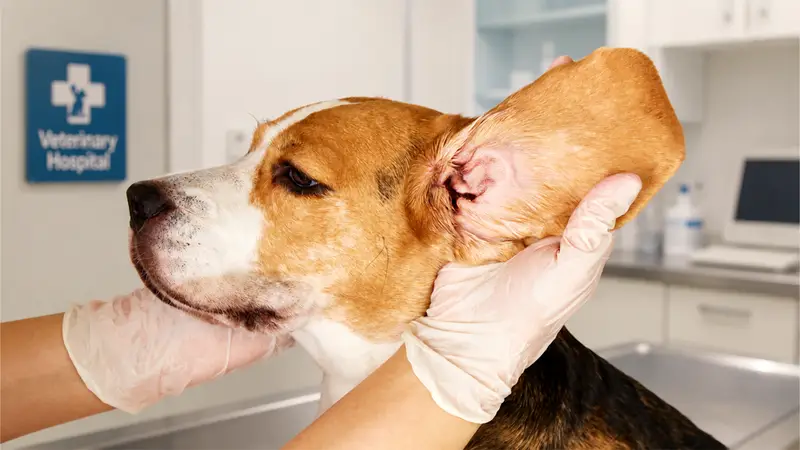
- Examining the eyes, ears, nose, and mouth
- Listening to the heart and lungs
- Checking the skin and coat
- Feeling the abdomen and joints
- Assessing overall health and behavior
This examination helps identify any existing or potential health concerns.
Discussion About Your Pet’s Health
The veterinarian will ask questions about:
- Eating and drinking habits
- Activity level
- Bathroom habits
- Behavior and temperament
- Previous illnesses or injuries
This conversation helps the veterinarian understand your pet’s lifestyle and health needs.
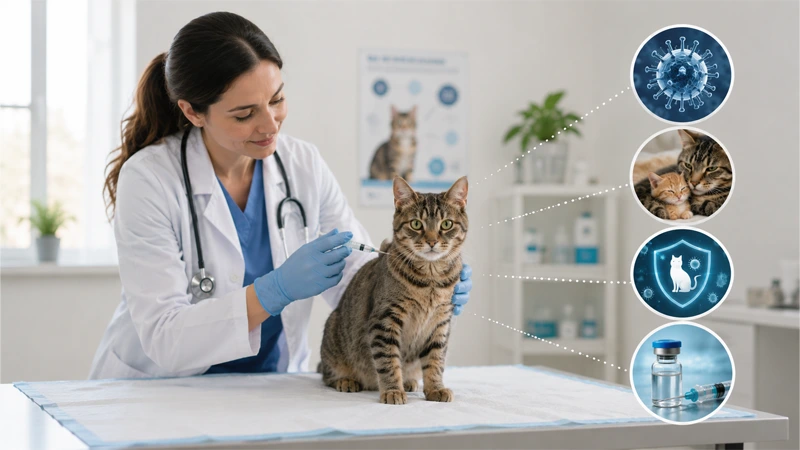
Vaccinations and Preventive Care
Depending on your pet’s age and medical history, the veterinarian may recommend:
- Vaccinations
- Flea and tick prevention
- Deworming treatments
- Heartworm prevention
- Microchipping
Preventive care is an important part of keeping your pet healthy and protecting them from common diseases.
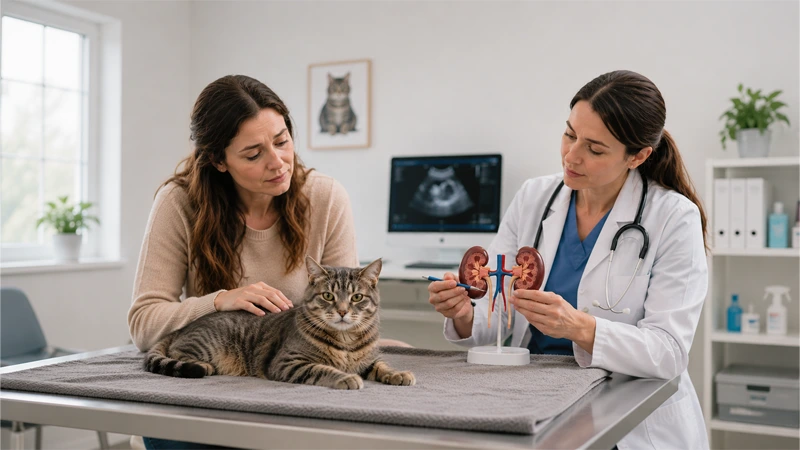
Diagnostic Tests
In some cases, the veterinarian may recommend diagnostic tests such as:
- Blood work
- Fecal examination
- Urinalysis
- X-rays or other imaging tests
These tests can provide valuable information about your pet’s health, especially if there are symptoms of illness.
Questions and Advice
The first visit is a great opportunity to ask questions about:
- Nutrition and feeding
- Exercise requirements
- Grooming
- Dental care
- Training and behavior
- Future healthcare needs
Veterinarians are there to provide guidance and help you make informed decisions about your pet’s care.
After the Visit
At the end of the appointment, you may receive:
- Vaccination records
- Medication instructions
- Preventive care recommendations
- A schedule for follow-up visits
The clinic staff will explain any treatments or future appointments that may be needed.
Conclusion
Your first veterinary clinic visit is an important step in establishing a strong foundation for your pet’s health. By understanding what to expect and coming prepared, you can help ensure a positive experience for both you and your pet.